
How to Apply for Small Business Loans in 2026: A Simple Guide for Entrepreneurs?
- February 27, 2026
- Uncategorized
Starting or scaling a business in 2026 is thrilling—but accessing funds remains a significant challenge for entrepreneurs. Whether you are expanding a business or dealing with cash flow issues, a small business loan can be a game-changer for your business.
The good news is that applying for a small business loan in 2026 has never been easier and more convenient than before—if you know the process.
This guide will walk you through the process of applying for a small business loan in 2026 in a simple and easy-to-understand manner.
What Is a Small Business Loan?
A small business loan is a financing option provided by banks, NBFCs, fintech lenders, or government-backed institutions to support a business in its startup, operation, or expansion.
Uses of Small Business Loans:
- Starting a new business
- Purchasing equipment or inventory
- Hiring employees
- Expanding to new geographies
- Managing working capital
- Marketing and technology upgradation
Types of Small Business Loans in 2026
Choose the correct loan type before applying. In 2026, entrepreneurs prefer the following types of loans:
- Term Loans – A fixed amount to be repaid in EMIs
- Working Capital Loans – For meeting everyday business expenses
- MSME Loans – Government-backed business loans
- Startup Loans – For new businesses with short business histories
- Business Lines of Credit – Flexible loans as per business needs
- Digital Business Loans – Quick and paperless fintech loans
Step 1: Check If Your Business Qualifies for a Loan
Banks will first check if you qualify. In 2026, they will consider the following:
- Business age (minimum 6 months to 3 years)
- Annual turnover
- Credit score (CIBIL score of 650+ is preferred)
- Profitability and cash flow
- Business risk
Tip: Startups can also qualify through government programs or fintech companies if banks deny their loan application.
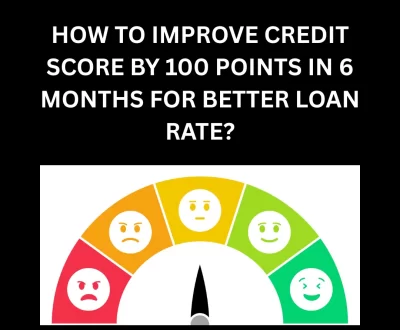
Step 2: Improve Your Credit Score Before You Apply
Your credit score plays a significant role in loan approval and interest rates.
How to improve your credit score:
- Pay your existing EMIs and credit cards on time
- Reduce the amount of credit you’re using
- Avoid applying for multiple loans simultaneously
- Clear any pending payments
A good credit score can give you:
- Lower interest rates
- Larger loan amounts
- Quicker loan approvals
Step 3: Gather the Required Documents
Most loan applications in 2026 are online, but you still need to submit some documents.
Typical documents required:
- PAN & Aadhaar
- Business registration proof
- Bank statements (last 6-12 months)
- ITR or financial statements
- GST returns (if applicable)
- Business plan (for startups)
Ensure that everything is up to date and accurate to avoid rejection.
Step 4: Make a Clear Business Plan
A solid business plan will instill confidence in lenders, especially for new entrepreneurs.
Make sure to include:
- Your business model and revenue streams
- Market potential
- Expansion strategy
- How will you utilize the loan
- Repayment strategy
Lenders want to know: Will this business repay the loan?
Step 5: Compare Lenders Thoughtfully
Don't apply without comparing. Entrepreneurs have more choices in 2026.
Compare lenders on:
- Interest rates
- Processing charges
- Repayment terms
- Time to approval
- Customer reviews
Banks will always have lower interest rates, but take longer to approve. Fintech lenders might be quicker but charge more.
Savvy entrepreneurs compare 3-5 lenders before applying.
Step 6: Apply Online or Offline
Most lenders allow online applications these days.
Online benefits:
- Faster approval
- Minimal paperwork
- Real-time status updates
- Immediate disbursement in some cases
Be sure to enter information correctly. Incorrect data will result in instant rejection.
Step 7: Learn the Loan Terms Before You Sign
Don’t hurry through the final step.
Understand and read:
- Type of interest rate (fixed or floating)
- EMI amount
- Prepayment charges
- Late payment fees
- Hidden charges
Ask questions. A good lender will answer them all.
Step 8: Use the Loan Smartly and Pay On Time
Getting a loan is just the beginning.
Use the loan only for business and pay your EMIs on time to:
- Establish a business credit history
- Get larger loans in the future
- Maintain a smooth cash flow
Common Mistakes Founders Make (Avoid Them!)
- Applying for a loan without checking eligibility
- Not considering your credit score
- Overborrowing
- Not comparing lenders
- Using the loan for personal expenses
Final Thoughts: Is a Small Business Loan Worth It in 2026?
Yes—if you use it wisely.
In 2026, small business loans will be easier to get, more flexible, and friendlier to founders. With good planning, solid documents, and smart lender selection, a business loan can help with long-term growth rather than creating problems.
Plan well, borrow smart, and build something strong.
About us and this blog
We are a digital marketing company with a focus on helping our customers achieve great results across several key areas.
Request a free quote
We offer professional SEO services that help websites increase their organic search score drastically in order to compete for the highest rankings even when it comes to highly competitive keywords.
Subscribe to our newsletter!
More from our blog
See all posts